

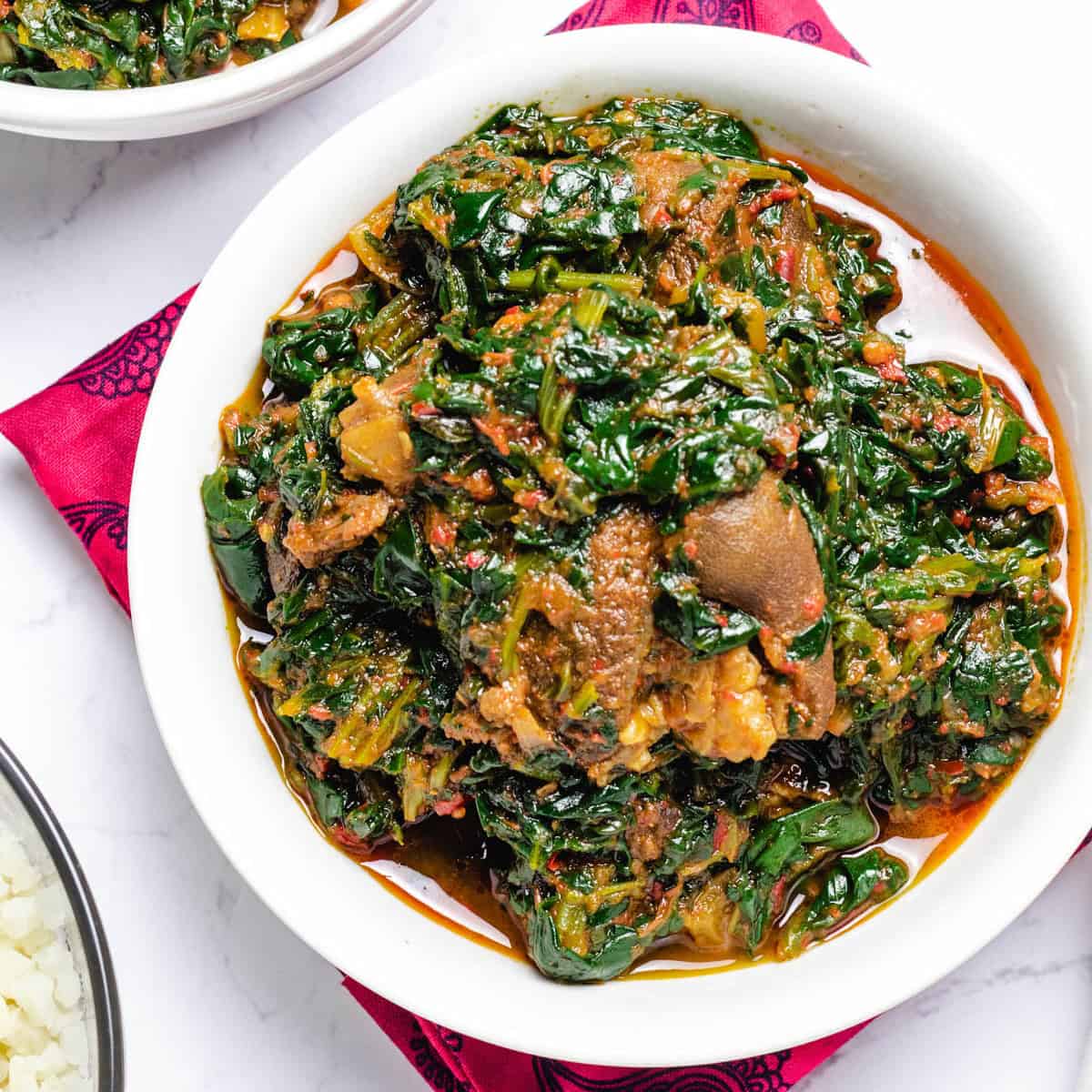
Nigerian cuisine is rich, flavorful, and a key part of African culture, with beloved dishes like jollof rice, pounded yam, egusi soup, and suya. However, while these dishes are tasty and comforting, many traditional Nigerian foods can sometimes be high in fats, calories, and sugars, which may not align with a healthy lifestyle, especially when living abroad, where access to fresh ingredients and dietary habits might differ.
Living in the UK, where the availability of certain foods and lifestyle factors might affect our eating habits, offers an opportunity to make healthy swaps while still maintaining the authentic flavors we know and love. This blog post will explore simple and healthy alternatives to classic Nigerian ingredients and recipes, helping you to enjoy delicious meals while making better food choices.
1. Swap Refined White Rice for Brown Rice or Quinoa
White rice is a staple in Nigerian homes, often paired with stews, jollof rice, or served with vegetable sauces. While tasty, white rice is high in simple carbohydrates and has a high glycemic index, which can cause blood sugar spikes.
Healthy Swap: Try switching to brown rice, which is a whole grain and contains more fiber, vitamins, and minerals. For a unique twist, you can also try quinoa, which is a complete protein and offers more nutrients than white rice. Quinoa is a fantastic option for people who are looking to reduce their intake of refined carbohydrates.
How to Use It: You can use brown rice in any recipe that calls for white rice, including jollof rice. Quinoa can be served as a side dish or even used as a base for vegetable stews.
2. Swap Palm Oil for Olive Oil or Avocado Oil
Palm oil is often used in Nigerian cooking, especially in dishes like stews, soups, and fried rice. While palm oil is rich in flavor, it is also high in saturated fats, which, when consumed in excess, can increase the risk of heart disease.
Healthy Swap: Replace palm oil with olive oil or avocado oil, both of which are packed with heart-healthy monounsaturated fats. These oils have a more favorable effect on cholesterol levels and are great for sautéing or making salad dressings.
How to Use It: Use olive oil for cooking your favorite stews and soups. Avocado oil is perfect for frying as it has a high smoke point, making it ideal for Nigerian dishes that require high heat.
3. Swap White Yam for Sweet Potato
Yam is another Nigerian favorite, enjoyed in dishes like pounded yam or yam porridge. While yam is nutritious, it can be high in calories and starch.
Healthy Swap: Try swapping white yam for sweet potatoes. Sweet potatoes are rich in fiber, vitamin A, and antioxidants, and they have a lower glycemic index than white yams, making them a better choice for managing blood sugar levels.
How to Use It: Sweet potatoes can be boiled, roasted, or mashed just like yams. You can make a healthy pounded “yam” with sweet potatoes or use them in porridge as an alternative to regular yam porridge.
4. Swap Red Meat for Leaner Protein Sources
Traditional Nigerian dishes often feature red meat, such as beef or goat meat. While these proteins can be delicious, they tend to be higher in saturated fat, which can negatively impact heart health when consumed in excess.
Healthy Swap: Opt for leaner protein sources such as chicken, fish (especially oily fish like mackerel or salmon, which are rich in omega-3 fatty acids), or plant-based proteins like lentils, beans, and tofu.
How to Use It: In dishes like pepper soup, stews, or fried rice, substitute red meat with grilled chicken or add more plant-based protein. You can also experiment with plant-based dishes like bean cakes (Akara) or bean stew (Ewa Agoyin).
5. Swap Sugary Drinks for Infused Water or Fresh Juices
In Nigerian cooking, meals are often paired with sugary drinks like carbonated sodas or sugary fruit juices. These beverages can add unnecessary calories and sugar to your diet, leading to weight gain and potential health issues like diabetes.
Healthy Swap: Instead of sugary drinks, try infused water or fresh fruit juices with little to no added sugar. Infusing water with slices of cucumber, lemon, mint, or berries is a refreshing and healthy option. Freshly squeezed juices from fruits like oranges, pineapples, and watermelon are also great alternatives.
How to Use It: Make a pitcher of infused water to have on hand throughout the day or blend up a delicious homemade fruit juice without the added sugars. These options are hydrating and lower in calories compared to sugary drinks.
6. Swap Regular Flour for Whole Wheat or Gluten-Free Flour
Dishes like puff-puff, chin-chin, and moi moi often call for refined white flour, which can contribute to high sugar levels and other health problems when consumed frequently.
Healthy Swap: Consider using whole wheat flour or gluten-free flours (such as almond flour or coconut flour) for a healthier alternative. Whole wheat flour retains more of its natural nutrients, including fiber, which aids digestion and helps maintain a healthy weight.
How to Use It: Use whole wheat or gluten-free flour for making puff-puff, chin-chin, and other baked goods. You can also use these flours in your moi moi batter for a healthier twist.
7. Swap Fufu for Cauliflower Fufu
Fufu (made from yam, cassava, or plantain) is another beloved Nigerian dish, often served with soups and stews. While it’s filling and nutritious, it can be quite heavy and high in carbohydrates, which may not suit everyone’s dietary needs.
Healthy Swap: If you’re looking for a low-carb alternative, try cauliflower fufu. Cauliflower is a low-carb vegetable that’s high in fiber, vitamins, and antioxidants. It can be steamed and blended to create a smooth, fufu-like texture.
How to Use It: To make cauliflower fufu, simply steam the cauliflower, then blend it into a smooth consistency and mold it into the desired shape. Serve with your favorite soup or stew.
Conclusion
While Nigerian cuisine is a beautiful expression of culture and tradition, making small, mindful adjustments in how we cook can help us live healthier lives while still enjoying the foods we love. By swapping ingredients and trying out these healthier alternatives, you can still savor the vibrant flavors of Nigeria while supporting your health and well-being.
As you explore these swaps, remember that making healthier choices doesn’t mean sacrificing taste, it’s all about balance. So, next time you’re in the kitchen, consider making some of these simple swaps to enjoy a healthier version of your favorite Nigerian dishes.